1. River Canyons:
* Deeply incised valleys: Many tropical rainforests are carved by rivers over millions of years. These rivers can create deep valleys with steep sides, resembling canyons. The Amazon rainforest, for example, has numerous deep river valleys, some of which are considered canyons.
* Examples: The Rio Negro in the Amazon, the Congo River in Africa, and the Mekong River in Southeast Asia all have sections with canyon-like features.
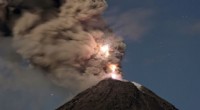
2. Volcanic Canyons:
* Lava flows and erosion: Some tropical rainforests are found in volcanic regions. Lava flows can create dramatic canyons as they erode over time.
* Example: The Kilauea volcano in Hawaii, while not technically a rainforest, has created volcanic canyons in the area.
3. Karst Canyons:
* Dissolving limestone: In some areas of tropical rainforests, limestone bedrock is prone to dissolution by acidic rainwater. This can create caves, sinkholes, and canyons.
* Example: The Gunung Mulu National Park in Borneo is known for its towering limestone cliffs and canyons formed by karst processes.
Important to note:
* "Canyon" is not a precise term: In the context of rainforests, the term might be used more loosely than in dry climates.
* Diversity of landscapes: Tropical rainforests are vast and diverse. Canyons are not found everywhere within them.
To better understand the canyons in a specific tropical rainforest, it's helpful to:
* Identify the specific location: Rainforests in different parts of the world have unique geological histories.
* Research the local geology: Learning about the bedrock, geological formations, and river systems can reveal if canyons exist.