Here's a breakdown:
* Earth's crust is broken into large, moving pieces called tectonic plates. These plates are made of both oceanic and continental crust.
* These plates "float" on the Earth's mantle, a layer of hot, semi-solid rock.
* The movement of these plates is driven by convection currents within the mantle. These currents cause the plates to move, collide, separate, and slide past each other.
The movement of tectonic plates is responsible for many of Earth's major geological features, including:
* Earthquakes: Occur when plates move past each other, causing sudden releases of energy.
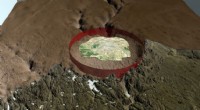
* Volcanoes: Formed when magma (molten rock) rises from the mantle and erupts at the surface.
* Mountain ranges: Created when tectonic plates collide and push up the Earth's crust.
* Ocean trenches: Form where one plate is forced beneath another.
* Continental drift: The slow movement of continents over millions of years.
Understanding plate tectonics is crucial to understanding many geological processes and phenomena.