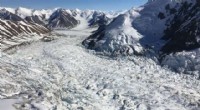
* Glaciers form over long periods: Glaciers are formed by the accumulation and compression of snow over many years, eventually turning into ice.
* Glacial cycles: Earth has experienced multiple glacial periods (ice ages) and interglacial periods (warmer periods) throughout its history. The most recent glacial period ended around 11,700 years ago.
* Varying locations: Glaciers form in different locations around the world, and their formation times vary based on local climate conditions.
Instead of a specific year, here's a more accurate explanation:
* Early glaciers: The first glaciers likely formed in the Precambrian Era, which began around 4.5 billion years ago. This was a time of intense geological activity and cooling.
* Glacial cycles throughout history: Glaciation has been a recurring feature of Earth's history. There have been numerous glacial periods and interglacial periods, with the most recent glacial period ending around 11,700 years ago.
Current glaciers: The glaciers we see today are remnants of the last glacial period and continue to form and change in response to ongoing climate changes.