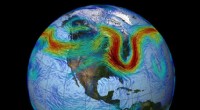
1. Earth's Crust:
* Faults: These are fractures in the Earth's crust where rocks have moved past each other. They can be large and extend for hundreds of miles, or small and localized. Faults are responsible for earthquakes and can create mountains, valleys, and other landforms.
* Plate Boundaries: These are the edges of the tectonic plates that make up the Earth's crust. They are areas of intense geological activity, where plates collide, pull apart, or slide past each other.
* Volcanic Vents: These are openings in the Earth's crust where magma (molten rock) rises to the surface. They can form volcanoes, lava flows, and other volcanic features.
* Rift Valleys: These are long, narrow depressions in the Earth's crust where the crust is pulling apart. They are often associated with volcanic activity.
2. Other Crusts:
* Bread Crust: The outer layer of a loaf of bread, which may be more brittle and prone to breaking due to its higher level of browning.
* Pie Crust: The bottom and sides of a pie, which may be broken due to over-mixing or not enough fat.
Could you please provide more context or specify what type of crust you are interested in? This will help me give you a more specific and accurate answer.