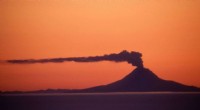
* Volcanic activity: Areas with recent or ongoing volcanic activity have a high concentration of heat near the Earth's surface.
* Areas with hot springs and geysers: These are natural indicators of geothermal activity.
* Regions with tectonic plate boundaries: Where tectonic plates meet and interact, geothermal energy is often present.
Specific locations where geothermal energy is significant:
* The Pacific Ring of Fire: This region around the Pacific Ocean experiences a lot of volcanic and seismic activity, making it a rich source of geothermal energy. Countries like Iceland, Japan, Indonesia, and the Philippines are major players in geothermal power generation.
* The United States: The western states, especially California, Nevada, Oregon, and Idaho, have significant geothermal resources.
* New Zealand: Known for its geothermal activity, New Zealand has a long history of using geothermal energy for power generation and other purposes.
* Kenya: East Africa has extensive geothermal resources, and Kenya is a leader in developing geothermal energy.
* Iceland: Iceland is a geothermal powerhouse, with geothermal energy providing a large percentage of its electricity.
It's important to note that:
* Geothermal energy isn't limited to these specific locations. Many other regions around the world possess varying levels of geothermal resources.
* The availability and accessibility of geothermal resources can vary significantly depending on factors like depth, temperature, and geological structure.
To learn more about geothermal energy in a specific location, you can search for information about geothermal resources in that region or contact local energy agencies.