* Formation of Sedimentary Rocks: Sedimentary rocks form from the accumulation of sediments (like sand, silt, clay, or the remains of organisms) over long periods. These sediments are deposited in layers, and as more layers build up, the weight compresses the lower layers, eventually solidifying them into rock.
* Preservation of Fossils: The gradual deposition and pressure involved in forming sedimentary rocks create an environment ideal for preserving fossils.
* Burial: Sedimentary layers bury organisms quickly, protecting them from decay and scavengers.
* Mineralization: Over time, minerals from the surrounding water can replace the organic matter of the organism, turning it into a hard, fossilized version.
* Igneous and Metamorphic Rocks:
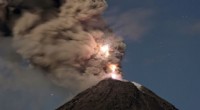
* Igneous rocks: Form from the cooling and solidification of molten rock (magma or lava). The intense heat associated with this process destroys any existing organic material, making fossilization impossible.
* Metamorphic rocks: Form when existing rocks (sedimentary, igneous, or even other metamorphic rocks) are subjected to intense heat and pressure. These conditions can distort or completely obliterate any fossils present in the original rock.
Think of it this way:
* Sedimentary rocks are like a giant library: They store layers of information, including the remains of past life.
* Igneous rocks are like a bonfire: The intense heat destroys all the information (fossils).
* Metamorphic rocks are like a blender: They scramble and reshape the information (fossils), making it difficult to decipher.
While there are rare exceptions (like fossilized footprints in volcanic ash), the vast majority of fossils are found in sedimentary rocks because they provide the perfect conditions for preservation.