1. Magma Generation:
* Melting of existing rocks: This occurs due to changes in temperature, pressure, or the addition of fluids.
* Temperature: As temperatures rise, the bonds within minerals break, causing the rock to melt.
* Pressure: Decreasing pressure can cause rocks to melt, even if their temperature doesn't change significantly.
* Fluid addition: Water and other volatiles can lower the melting point of rocks, leading to melting.
2. Magma Movement and Evolution:
* Intrusion: Magma rises through the Earth's crust, often intruding into existing rocks. This process can lead to the formation of various intrusive igneous rock types.
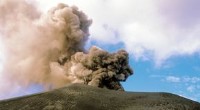
* Extrusive eruption: Magma reaches the surface, erupting as lava flows, volcanic ash, or other volcanic materials. This process creates extrusive igneous rocks.
* Crystallization: As magma cools, minerals start to crystallize. The order of crystallization depends on the composition of the magma and the cooling rate.
3. Cooling and Solidification:
* Intrusive cooling: Magma cools slowly beneath the Earth's surface, allowing larger crystals to form, resulting in igneous rocks with a coarse-grained texture (e.g., granite).
* Extrusive cooling: Lava cools rapidly at the Earth's surface, resulting in smaller crystals, often with a fine-grained texture (e.g., basalt).
4. Igneous Rock Formation:
* Intrusive igneous rocks: These rocks form from the cooling and solidification of magma beneath the Earth's surface (e.g., granite, gabbro).
* Extrusive igneous rocks: These rocks form from the cooling and solidification of lava on the Earth's surface (e.g., basalt, rhyolite).
In summary, the formation of igneous rock is a direct consequence of the cooling and solidification of magma or lava. The process involves the generation of magma, its movement and evolution, and the subsequent crystallization and solidification of minerals.