Earth's Structure and Composition:
* Rocks and Minerals: Identifying, classifying, and studying the properties of rocks and minerals, including their formation, composition, and uses.
* Plate Tectonics: Investigating the movement of Earth's tectonic plates and their impact on earthquakes, volcanoes, mountain formation, and other geological phenomena.
* Earthquakes and Volcanoes: Studying the causes, mechanisms, and impacts of earthquakes and volcanic eruptions.
* Geochemistry: Analyzing the chemical composition of rocks, minerals, and other Earth materials to understand Earth's history and processes.
* Geophysics: Using physical methods like seismic waves, gravity measurements, and magnetism to study Earth's interior and structure.
Earth's Processes and History:
* Sedimentary Geology: Investigating the formation, deposition, and properties of sedimentary rocks, which provide clues about past environments, climates, and life.
* Paleontology: Studying fossils to understand the history of life on Earth, including evolution, extinction events, and past environments.
* Stratigraphy: Studying the layering of rocks and fossils to understand the order of geological events and the age of rocks.
* Geochronology: Determining the age of rocks and fossils using radioactive dating techniques.
* Hydrogeology: Studying the movement and distribution of groundwater and its interaction with the Earth's surface.
Applied Geology:
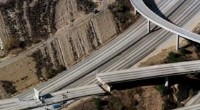
* Engineering Geology: Applying geological knowledge to design and construct structures like buildings, dams, and tunnels.
* Environmental Geology: Investigating the impact of human activities on the environment, including pollution, waste disposal, and natural resource management.
* Petroleum Geology: Exploring for and developing oil and gas resources.
* Mineral Exploration: Searching for and evaluating mineral deposits for potential mining operations.
* Geotourism: Promoting geological sites for tourism and education.
This is just a glimpse into the broad field of geology. Geologists work in many different settings, from research labs to field sites, and their work has a significant impact on our understanding of the Earth and its resources.