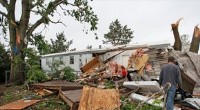
* Earthquakes: Most earthquakes occur along plate boundaries where tectonic plates interact. The movement of these plates causes stress, which is released in the form of seismic waves. By mapping earthquake epicenters, we can identify the zones where plates are colliding, pulling apart, or sliding past each other.
* Volcanoes: Volcanoes are primarily found at plate boundaries where magma rises to the surface. This magma is generated by the interactions between plates, such as subduction zones where one plate slides beneath another, or at mid-ocean ridges where plates are pulling apart. Mapping volcanic activity helps us delineate the areas where plates are interacting and creating new crust.
Other indicators of plate boundaries include:
* Mid-ocean ridges: These underwater mountain ranges mark the locations where new oceanic crust is created as plates move apart.
* Deep ocean trenches: These are deep depressions in the ocean floor that form where one plate subducts beneath another.
* Fracture zones: These are linear breaks in the ocean floor that run perpendicular to mid-ocean ridges, marking areas where plates have moved past each other.
* Mountain ranges: Mountain ranges are often formed where plates collide and push against each other.
* Heat flow anomalies: Areas of high heat flow often coincide with plate boundaries, where magma is rising from the Earth's interior.
By combining these indicators, geologists can create detailed maps that show the location and movement of lithospheric plates.