1. Magma Formation and Intrusion: Volcanic eruptions start with the formation of magma deep within the Earth. This magma is molten rock, often formed by the melting of existing rocks due to heat from the Earth's core or pressure from tectonic plate movement. Sometimes, this magma cools and solidifies underground, forming intrusive igneous rocks like granite.
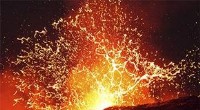
2. Eruption and Extrusive Igneous Rocks: When magma rises to the surface and erupts, it's called lava. This lava cools and solidifies, forming extrusive igneous rocks like basalt. Volcanic eruptions are essentially the process of bringing molten rock from the Earth's interior to the surface.
3. Weathering and Erosion: The volcanic rocks, both intrusive and extrusive, are then exposed to the elements. Weathering (breaking down by wind, rain, ice, etc.) and erosion (transporting the weathered material) begin to shape and alter these rocks.
4. Sedimentation and Deposition: The eroded rock fragments (sediments) are transported by wind, water, or ice and eventually deposited in new locations, often forming layers.
5. Compaction and Cementation: Over time, these sediment layers are buried under more sediment, leading to compaction (squeezing out water) and cementation (minerals in the water bind the sediments together). This process forms sedimentary rocks.
6. Metamorphism: If these sedimentary rocks are subjected to intense heat and pressure deep underground, they can transform into metamorphic rocks (like marble or slate).
7. The Cycle Repeats: Metamorphic rocks can eventually melt and become magma, starting the cycle again.
In essence, volcanic eruptions are a key part of the rock cycle because they bring fresh, molten rock material from the Earth's interior to the surface, providing the raw material for new igneous rocks, which then become part of the cycle of weathering, erosion, sedimentation, and metamorphism.