1. Weathering and Erosion:
* Weathering: This is the breakdown of rocks, soil, and minerals through physical forces like wind, water, ice, and temperature changes, and chemical processes like oxidation. This process creates loose sediment.
* Erosion: Once weathered, sediment is picked up and transported away from its original location by natural forces like wind, water, or ice.
2. Transportation Mechanisms:
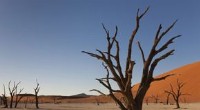
* Wind: Wind carries fine sediment like dust and sand, creating dunes, loess deposits, and sandstorms.
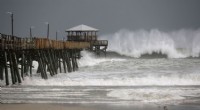
* Water: Rivers, streams, oceans, and waves are powerful forces that transport sediment of various sizes. They can carve canyons, create beaches, and deposit sediment in deltas and floodplains.
* Ice: Glaciers pick up and transport massive amounts of sediment, leaving behind glacial till and shaping landscapes.
* Gravity: Gravity plays a role in landslides, rockfalls, and debris flows, which can move sediment quickly and dramatically.
3. Deposition:
* As the transporting forces lose energy, they deposit the sediment they carry. This can happen in different locations and forms, including:
* Beaches: Waves deposit sand and shells on coastlines.
* Deltas: Rivers deposit sediment at their mouths, creating fertile land.
* Floodplains: Rivers overflow and deposit sediment during floods, creating fertile land for agriculture.
* Glacial moraines: Glaciers deposit sediment as they melt, creating ridges called moraines.
* Sand dunes: Wind deposits sand, forming dunes.
* Loess deposits: Wind deposits fine silt, creating fertile soils.
4. Sedimentary Rocks:
* Over time, deposited sediment can be compacted and cemented together, forming sedimentary rocks like sandstone, limestone, and shale. This process records the history of sediment transport and deposition over millions of years.
5. Continuous Cycle:
* The movement of sediment is a continuous cycle. Weathering and erosion constantly create new sediment, which is then transported and deposited in new locations. This cycle shapes landscapes, influences ecosystems, and provides valuable resources like minerals and sand.
Factors Influencing Sediment Transport:
* Climate: Rainfall, wind speed, and temperature influence weathering, erosion, and deposition.
* Geology: The type of rock and soil influence how easily they erode.
* Topography: Landforms like mountains, valleys, and coastlines influence how sediment moves.
* Human activities: Deforestation, agriculture, and construction can significantly impact sediment transport.
Understanding sediment transport is crucial for managing resources, mitigating environmental impacts, and appreciating the dynamic nature of Earth's surface.