1. River Systems:
* Why? Rivers are constantly flowing, carrying sediment and carving out channels. The faster the water flow, the more erosive power it has.
* Where? Riverbeds, riverbanks, and the land around river bends (where water flows faster).
2. Coastlines:
* Why? Ocean waves constantly crash against the shore, eroding rocks, sand, and cliffs. Tidal forces and currents also contribute.
* Where? Beaches, cliffs, headlands, and coastal areas exposed to strong waves and tides.
3. Deserts:
* Why? Though rainfall is scarce, strong winds can pick up sand and dust, creating sandblasting effects that erode rock formations and landforms.
* Where? Sand dunes, mesas, canyons, and exposed rock surfaces.
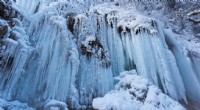
4. Glaciers:
* Why? As glaciers move, they act like giant bulldozers, grinding down rocks and carving out valleys. They also melt and freeze, creating erosion through frost wedging.
* Where? Glacial valleys, fjords, and mountain regions where glaciers exist or existed in the past.
5. Human-Influenced Areas:
* Why? Human activities like agriculture, construction, and deforestation can accelerate erosion. Poor farming practices, deforestation, and development projects leave soil exposed and vulnerable.
* Where? Farmland, construction sites, deforested areas, and areas with poor land management practices.
In summary, erosion occurs most prominently in areas with:
* Significant water flow: Rivers, coastlines
* Strong winds: Deserts
* Glacial movement: Mountainous areas
* Human activity: Areas with poor land management practices
It's important to note that erosion is a natural process, but human activities can significantly exacerbate it, leading to problems like soil degradation, loss of fertile land, and landslides.