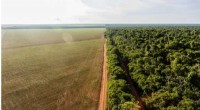
1. Between mountains: This is the most classic example. Mountains are formed by uplift, and the spaces between them are often carved out by erosion, forming valleys.
2. Along rivers: Rivers carve valleys as they flow over the land, often forming wide, flat floodplains.
3. In glacial landscapes: Glaciers can carve out deep, U-shaped valleys as they move across the land.
4. In deserts: Deserts can also have valleys, often formed by wind erosion or tectonic activity.
5. In coastal areas: Valleys can be formed along coastlines, where the land is eroded by waves and tides.
6. On other planets: Valleys have been observed on other planets, including Mars, where they are often thought to be formed by ancient rivers or volcanic activity.
Here are some additional details:
* Types of valleys: Valleys can be categorized by their shape, such as V-shaped valleys (formed by rivers), U-shaped valleys (formed by glaciers), or box canyons (formed by erosion from a stream or river).
* Location and climate: The location and climate of a valley can influence its characteristics, such as the types of plants and animals that live there, the amount of rainfall it receives, and its overall appearance.
Overall, valleys are a common and diverse landform that can be found in many different environments.