1. Plate Tectonics and Mountain Building (Orogeny):
* Convergent Plate Boundaries: When two tectonic plates collide, the denser plate subducts (slides) beneath the less dense plate. This process can create mountains in several ways:
* Folding: As the plates push against each other, the rock layers buckle and fold, creating mountain ranges like the Himalayas and the Alps.
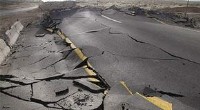
* Faulting: The immense pressure can cause the rock to break and fracture, creating faults. These faults can move vertically, pushing up blocks of rock to form mountains.
* Magmatism: The subducting plate melts, producing magma that rises to the surface. This magma can erupt as volcanoes, forming volcanic mountain ranges like the Andes.
2. Volcanic Activity:
* Volcanoes: As magma rises from the Earth's interior, it can erupt and build up layers of lava, ash, and rock, forming volcanic mountains. Examples include Mount Fuji and Mount Vesuvius.
3. Erosion and Weathering:
* Erosion: Over time, wind, water, and ice can carve away at existing landforms, creating mountains through a process of erosion. This can lead to the formation of mesas, buttes, and other distinctive landforms.
* Weathering: The physical and chemical breakdown of rocks can also contribute to mountain formation. This process can create steep slopes, valleys, and other mountain features.
4. Isostatic Uplift:
* Isostatic rebound: The Earth's crust can "bounce back" after a period of stress, such as the weight of glaciers. This can cause land to rise and create mountains.
5. Other Processes:
* Impact Craters: Large meteorite impacts can create mountains, like the Vredefort Dome in South Africa.
* Uplift of Fault Blocks: Faults can move horizontally or vertically, pushing up blocks of land to form mountains.
It's important to remember that mountain formation is a complex and dynamic process that can involve a combination of these factors. The specific mechanisms involved vary depending on the geological context and the history of the region.