1. Loss of Energy:
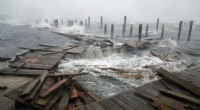
* Water: As water carrying sediments slows down, it loses energy. This causes the heavier particles like sand and gravel to settle first. The finer particles like silt and clay settle later as the water continues to slow down.
* Wind: Wind also loses energy as it encounters obstacles like hills or vegetation. This leads to the deposition of sand, dust, and other fine particles.
* Ice: Glaciers and ice sheets transport and deposit a wide range of sediments as they move and melt.
2. Gravity:
* Gravity plays a crucial role in the deposition of sediments, especially in areas with steep slopes. When the slope is too steep, material can slide or roll downhill, leading to sediment accumulation.
3. Biological Activity:
* Organisms like corals, clams, and worms can contribute to sediment deposition through their life processes. For instance, corals create reefs by building skeletons, and clams and worms deposit shells and other materials.
4. Chemical Processes:
* Chemical reactions can lead to the formation and deposition of sediments. For example, the precipitation of minerals from water can create layers of sediment.
5. Tectonic Activity:
* Plate tectonics can influence sediment deposition by creating mountains, valleys, and other landforms that affect the flow of water and wind, influencing where sediments are deposited.
Here are some specific examples of sediment deposition:
* Rivers: Rivers carry sediments downstream, and as the river enters a lake or ocean, it loses energy and deposits its load. This leads to the formation of deltas.
* Beaches: Waves carry sand and other sediments to the shore, where they are deposited as the waves lose energy.
* Sand Dunes: Wind carries sand and deposits it in dunes, creating characteristic landforms in desert areas.
* Lakes: Sediments settle to the bottom of lakes, creating layers that can be studied to understand the lake's history.
* Oceans: Ocean currents carry sediments from rivers and other sources, depositing them in various locations, including deep ocean trenches and continental shelves.
Understanding the mechanisms of sediment deposition is crucial for understanding the formation of different types of rock, landscapes, and ecosystems.