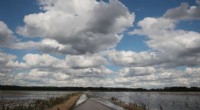
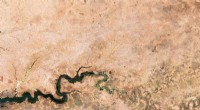
1. Shallow Seas: During the Silurian and Devonian periods (around 443 to 359 million years ago), large parts of New York State were covered by shallow, warm seas.
2. Evaporation: As these seas gradually evaporated, the concentration of dissolved salts (like sodium chloride, which is common table salt) increased.
3. Crystallization: Eventually, the water became so saturated with salt that the minerals began to crystallize and precipitate out of solution.
4. Accumulation: Over millions of years, these salt crystals accumulated in layers, forming thick deposits.
5. Burial and Compression: These deposits were then buried under sediment, and the weight of the overlying layers compressed the salt, forming the solid rock we find today.
Important Note: The salt deposits in New York State are part of the Salina Group, a geological formation known for its significant salt resources. These deposits are mined and used for various purposes, including road de-icing and industrial applications.