* Volcanism: The process involving the eruption of molten rock (magma) from the Earth's interior onto its surface.
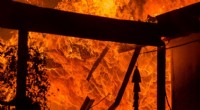
* Explosive Eruptions: These eruptions are characterized by the rapid release of enormous amounts of energy, often accompanied by the ejection of volcanic ash, gases, and rock fragments.
* Caldera Formation: When a volcano experiences a massive, explosive eruption, the underlying magma chamber can partially or completely empty. This can cause the ground above to collapse inwards, creating a large, bowl-shaped depression known as a caldera.
In essence, caldera formation is a direct consequence of the extreme energy released during large-scale volcanic eruptions.
Here's a simplified explanation:
1. Magma Chamber: Deep underground, a reservoir of molten rock (magma) builds up beneath the volcano.
2. Explosive Eruption: The immense pressure from the magma chamber causes a catastrophic explosion, ejecting huge volumes of volcanic material.
3. Chamber Collapse: With the magma chamber partially emptied, the overlying ground collapses into the void, creating a large, circular depression – the caldera.
Examples of famous calderas:
* Yellowstone Caldera (Wyoming, USA)
* Crater Lake Caldera (Oregon, USA)
* Toba Caldera (Sumatra, Indonesia)
These examples illustrate the immense scale and destructive power of caldera-forming eruptions, which can have significant global impacts.