1. Landforms: These are the physical features of the Earth's surface, shaped by geological processes:
* Mountains: Formed by tectonic plate collisions.
* Valleys: Created by erosion from rivers, glaciers, or tectonic activity.
* Plateaus: Elevated, flat areas of land.
* Plains: Large, flat areas of land.
* Deserts: Dry, arid regions with sparse vegetation.
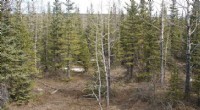
* Forests: Dense areas covered with trees.
* Oceans: Vast bodies of saltwater that cover most of the Earth's surface.
2. Rocks: The solid, non-living components of the Earth's crust:
* Igneous rocks: Formed from the cooling and solidification of magma or lava.
* Sedimentary rocks: Formed by the accumulation and cementation of sediments.
* Metamorphic rocks: Formed when existing rocks are transformed by heat, pressure, or chemical reactions.
3. Soil: A mixture of weathered rock, organic matter, water, and air that supports plant life:
* Topsoil: The uppermost layer of soil, rich in organic matter.
* Subsoil: The layer below topsoil, containing more minerals and less organic matter.
* Parent material: The underlying bedrock from which the soil is derived.
4. Water: Essential for life, found in various forms:
* Oceans: The largest bodies of water on Earth.
* Rivers and lakes: Bodies of freshwater flowing or standing on land.
* Groundwater: Water found beneath the Earth's surface.
* Ice and snow: Frozen water, found in glaciers, ice sheets, and snow-covered areas.
5. Atmosphere: The layer of gases surrounding the Earth:
* Nitrogen: The most abundant gas in the atmosphere.
* Oxygen: Essential for life.
* Carbon dioxide: A greenhouse gas that traps heat in the atmosphere.
* Other gases: Argon, neon, helium, etc.
6. Biosphere: The sum of all living organisms on Earth:
* Plants: Photosynthetic organisms that produce food.
* Animals: Heterotrophic organisms that consume plants or other animals.
* Microorganisms: Bacteria, fungi, and other single-celled organisms.
7. Human Impact: The influence of human activities on the Earth's surface, including:
* Pollution: Contamination of the air, water, and soil.
* Deforestation: Clearing of forests for various purposes.
* Climate change: The warming of the Earth's atmosphere due to human activities.
These components interact and constantly change, creating a complex and dynamic Earth's surface.