Here's a breakdown of what makes a geological event:
Characteristics:
* Significant impact: The event must have a noticeable effect on the Earth's geology, whether it's a small-scale change in rock formation or a major shift in tectonic plates.
* Geological in nature: The event must be rooted in Earth's physical processes, such as volcanism, erosion, or tectonic movement.
* Observable: While some events might be slow and subtle, they should have some measurable impact on the Earth's geology.
Examples of Geological Events:
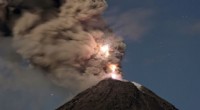
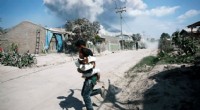
* Volcanic eruptions: These release molten rock, ash, and gases, creating new landforms and affecting the atmosphere.
* Earthquakes: Shifts in the Earth's crust can cause vibrations that can devastate entire cities and trigger tsunamis.
* Tsunamis: Giant waves caused by earthquakes or underwater landslides, which can inundate coastlines and cause widespread destruction.
* Meteorite impacts: These can create craters, release massive energy, and even trigger extinction events.
* Glaciations: Periods of extensive ice cover that reshape landscapes through erosion and deposition.
* Mountain building: Collisions of tectonic plates create mountains, changing the Earth's surface and influencing climate.
* Erosion: The gradual wearing away of rock and soil by wind, water, or ice, shaping landscapes and creating new landforms.
* Plate tectonics: The movement of the Earth's lithosphere (the rigid outer layer) which causes earthquakes, volcanic eruptions, and mountain formation.
Studying Geological Events:
Understanding geological events is crucial for:
* Predicting natural disasters: By studying past events, we can better understand the risk of future ones.
* Managing resources: Geological events impact water resources, mineral deposits, and energy sources.
* Understanding Earth's history: Examining the rock record helps us learn about past climates, life forms, and Earth's evolution.
In short, a geological event is any change in the Earth's geological structure or processes that leaves a mark on the planet's history.