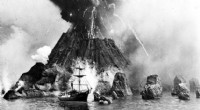
Here's why:
* Extrusive refers to the process of eruption or being expelled from the Earth's interior.
* Igneous refers to rocks formed from the cooling and solidification of magma or lava.
Some examples of extrusive igneous rocks include:
* Basalt: A dark-colored, fine-grained rock that is common in volcanic areas.
* Rhyolite: A light-colored, fine-grained rock that is rich in silica.
* Andesite: A medium-colored, fine-grained rock that is intermediate in composition between basalt and rhyolite.
* Obsidian: A dark, glassy rock that forms when lava cools rapidly.
Let me know if you have any other questions!