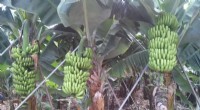
Here's a breakdown of the concept:
Types of Geotropism:
* Positive Geotropism: The growth of plant parts, like roots, towards the force of gravity. This ensures that roots anchor the plant in the soil and access water and nutrients.
* Negative Geotropism: The growth of plant parts, like stems and shoots, away from the force of gravity. This allows the plant to reach sunlight for photosynthesis.
How Geotropism Works:
* Statocytes: Specialized cells located in the root tip and shoot tip contain structures called statoliths (dense starch grains).
* Gravity and Stattoliths: The statoliths settle to the bottom of the statocytes due to gravity.
* Hormonal Response: This settling triggers the release of plant hormones, like auxin, which regulate growth.
* Differential Growth: Auxin distribution leads to unequal growth rates on opposite sides of the plant organ. This differential growth causes the plant to bend towards or away from gravity.
Importance of Geotropism:
* Proper Plant Orientation: Geotropism ensures that plants grow in a direction that is beneficial for their survival.
* Resource Acquisition: Roots grow downwards to reach water and nutrients, while shoots grow upwards to access sunlight.
* Adaptability: Geotropism helps plants adapt to different environments and changing conditions.
In essence, geotropism is a vital mechanism that allows plants to respond to the pull of gravity and grow in a way that maximizes their chances of survival and successful reproduction.