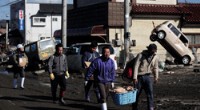
* Earthquakes occur at plate boundaries: The Earth's crust is made up of massive, moving plates. These plates interact at their boundaries, creating zones of stress and strain. Earthquakes are the sudden release of this built-up energy.
* Types of Plate Boundaries and Earthquakes:
* Convergent Boundaries: Where plates collide. This creates:
* Subduction Zones: One plate dives beneath another, generating powerful earthquakes, volcanic activity, and mountain ranges.
* Continental Collisions: Two continental plates collide, creating massive mountain ranges and powerful earthquakes (like the Himalayas).
* Divergent Boundaries: Where plates move apart. This creates:
* Mid-Ocean Ridges: New ocean floor is created, with relatively weaker earthquakes.
* Rift Valleys: Continental land masses split apart, with earthquakes along the rift.
* Transform Boundaries: Where plates slide past each other horizontally. This creates:
* Strike-Slip Faults: Earthquakes occur along the fault line, often with significant ground movement. (Think San Andreas Fault).
* Not all Earthquakes are at plate boundaries:
* While most earthquakes occur at plate boundaries, some can occur within plates, called intraplate earthquakes. These are less common but can still be significant.
In summary:
Tectonic plates are the fundamental driver of earthquakes. The interaction of these plates at their boundaries creates zones of stress and strain that eventually release in the form of earthquakes.