1. Oceanic-Continental Convergence
* Geological Feature: Volcanic mountain ranges and trenches
* Process: Denser oceanic plate subducts (dives) beneath the less dense continental plate.
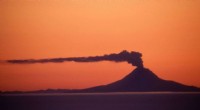
* As the oceanic plate descends, it melts, generating magma that rises to the surface, creating volcanoes.
* The bending of the oceanic plate at the subduction zone creates a deep trench.
* Example: The Andes Mountains in South America and the Cascade Range in North America.
2. Oceanic-Oceanic Convergence
* Geological Feature: Island arcs and trenches
* Process: One oceanic plate subducts beneath another.
* Similar to oceanic-continental convergence, the subducting plate melts, forming magma that rises to the surface, creating volcanic islands.
* These islands often form a curved chain called an island arc.
* Example: The Mariana Islands in the Pacific Ocean.
3. Continental-Continental Convergence
* Geological Feature: Mountain ranges
* Process: Two continental plates collide.
* Since both plates are relatively buoyant, neither subducts easily.
* Instead, the plates buckle and fold, creating immense mountain ranges.
* Example: The Himalayas in Asia, the Alps in Europe.
Let me know if you want to explore any of these categories in more detail!