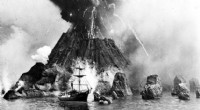
1. Lithosphere: This is the solid, rocky outer layer of the Earth, including the crust and the uppermost part of the mantle. It is broken into tectonic plates that constantly move and interact, causing earthquakes, volcanoes, and the formation of mountains and ocean basins.
2. Hydrosphere: This includes all the water on Earth, which exists in various forms: oceans, lakes, rivers, ice caps, groundwater, and even water vapor in the atmosphere. The hydrosphere plays a crucial role in regulating Earth's climate, shaping landscapes, and supporting life.
3. Biosphere: This refers to all the living organisms on Earth, including plants, animals, fungi, bacteria, and all their interactions. The biosphere thrives on and modifies the other two layers, influencing the atmosphere, water cycle, and even the composition of the Earth's crust.
Beyond these three main components, here's a breakdown of the Earth's surface:
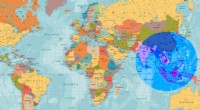
* Continents: The large landmasses that protrude above the oceans, making up about 30% of the Earth's surface.
* Oceans: The vast bodies of saltwater that cover approximately 70% of the Earth's surface.
* Atmosphere: The layer of gases surrounding the Earth, composed mainly of nitrogen and oxygen. It plays a crucial role in regulating temperature, weather, and climate.
* Cryosphere: The frozen parts of the Earth, including glaciers, ice caps, and permafrost.
These components are interconnected and constantly interact, making the Earth's surface a complex and dynamic system. The interplay between these components shapes the planet's environment, climate, and life.