1. Physical Weathering: This involves breaking down rocks into smaller pieces without changing their chemical composition.
* Freezing/Thawing: Water seeps into cracks in rocks, freezes, expands, and puts pressure on the rock. This repeated cycle can eventually break the rock apart.
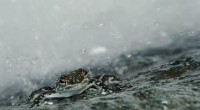
* Abrasion: Rocks rub against each other, often by the force of wind, water, or ice, grinding them down.
* Thermal Expansion/Contraction: Fluctuations in temperature cause rocks to expand and contract, leading to stress and eventual fracturing.
2. Chemical Weathering: This involves chemical reactions that change the composition of rocks, making them weaker and easier to break down.
* Oxidation: Iron in rocks reacts with oxygen, forming rust, which weakens the rock.
* Hydrolysis: Water reacts with minerals in the rock, breaking them down.
* Carbonation: Carbon dioxide dissolves in rainwater, forming carbonic acid. This acid can dissolve some types of rocks, like limestone.
* Acid Rain: Pollutants in the atmosphere react with water to form acids, which accelerate weathering.
3. Biological Weathering: Living organisms can also contribute to weathering.
* Plants: Plant roots grow into cracks in rocks, putting pressure on them and widening the cracks.
* Animals: Burrowing animals can expose rocks to weathering.
* Lichens and Mosses: These organisms produce acids that can dissolve rocks.
The Stages of Soil Formation:
These weathering processes occur over long periods, leading to the formation of soil in several stages:
* Parent Material: The original rock that is being weathered.
* Regolith: The loose, broken-down rock fragments resulting from weathering.
* Soil Horizons: Distinct layers of soil that form as weathering continues.
Important Note: Weathering is a continuous process, meaning soil is always evolving and changing. The type of soil that forms depends on various factors like climate, parent material, topography, and biological activity.