1. Troposphere:
* Altitude: Surface to about 12 km (7.5 miles)
* Temperature Trend: Decreases with altitude. This is because the troposphere is heated from below by the Earth's surface.
* Key Features: This is where we live and experience most weather.
2. Stratosphere:
* Altitude: 12 km to 50 km (7.5 miles to 31 miles)
* Temperature Trend: Increases with altitude. This is due to the absorption of ultraviolet (UV) radiation from the sun by the ozone layer.
* Key Features: Contains the ozone layer, which protects us from harmful UV radiation. Airplanes fly in the lower stratosphere.
3. Mesosphere:
* Altitude: 50 km to 85 km (31 miles to 53 miles)
* Temperature Trend: Decreases with altitude. This is because the atmosphere is thinner and absorbs less solar radiation.
* Key Features: Meteors burn up in the mesosphere.
4. Thermosphere:
* Altitude: 85 km to 600 km (53 miles to 373 miles)
* Temperature Trend: Increases with altitude, reaching very high temperatures due to absorption of high-energy solar radiation.
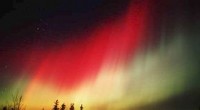
* Key Features: The International Space Station orbits in the thermosphere. Aurora Borealis occur in the thermosphere.
5. Exosphere:
* Altitude: 600 km (373 miles) and beyond
* Temperature Trend: Very difficult to measure due to the extreme thinness of the atmosphere. Temperature does not play a significant role.
* Key Features: The exosphere gradually merges with outer space.
Note: There are other ways to categorize the atmosphere, such as by composition or function. However, the temperature-based division is the most common and widely accepted.