* Formation: Glacial landforms are created by the erosive and depositional power of glaciers. As glaciers move, they carve out valleys, polish bedrock, and deposit sediment.
* Visibility: These landforms are hidden beneath the ice while the glacier is active. They become visible only when the glacier retreats due to climate change, warming temperatures, or other factors.
Here are some examples of glacial landforms:
* U-shaped valleys: Formed by the erosive power of glaciers, they have steep sides and a flat floor.
* Cirques: Bowl-shaped depressions at the head of a glacier.
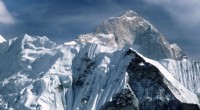
* Aretes: Sharp, narrow ridges formed between two cirques.
* Moraines: Piles of rock and sediment deposited by glaciers.
* Drumlins: Elongated hills of glacial till.
The timing of glacial landform visibility is dependent on various factors:
* Climate: Warmer temperatures and reduced snowfall lead to glacier retreat.
* Glacial size: Smaller glaciers retreat faster than larger ones.
* Glacial dynamics: Glacial movement and erosion patterns can influence the rate of landform exposure.
In summary, glacial landforms become visible as glaciers retreat or melt away, revealing the landscapes they have shaped over thousands or millions of years.