* Quartz: A very hard and resistant mineral with a glassy luster.
* Feldspar: A group of common minerals that include orthoclase (potassium feldspar) and plagioclase (sodium and calcium feldspar).
* Muscovite: A silvery-white mica that is often found in layered forms.
* Biotite: A dark-colored mica that is often found in layered forms.
Here are some examples of felsic rocks:
* Granite: A coarse-grained rock with a high quartz content.
* Rhyolite: A fine-grained, volcanic equivalent of granite.
* Obsidian: A dark, glassy volcanic rock formed when lava cools rapidly.
* Pumice: A very porous, light volcanic rock formed from frothy lava.
* Granodiorite: A medium-grained igneous rock that is similar to granite but with a higher percentage of plagioclase feldspar.
* Syenite: A coarse-grained igneous rock with a higher percentage of potassium feldspar than granite.
* Trachyte: A fine-grained, volcanic equivalent of syenite.
Felsic rocks are often associated with:
* Continental crust: They are the most common type of rock in the Earth's continental crust.
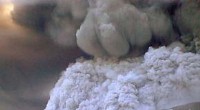
* Volcanic activity: Felsic rocks are often formed from the eruption of viscous lava.
* High viscosity: They have a high viscosity, which means they are thick and sticky.
* Low density: They have a lower density than mafic rocks, which means they are lighter.
Remember, these are just a few examples. There are many other types of felsic rocks, and the specific composition of each rock can vary depending on its origin and formation.