The Earth's surface is constantly changing, sculpted by a dynamic interplay of geological processes. These forces act at different scales and over vast timescales, creating the diverse landscapes we see today. Here's a breakdown of some key processes:
1. Plate Tectonics:
* Driving force: The Earth's interior heat creates convection currents in the mantle, dragging the rigid lithosphere (crust and uppermost mantle) along.
* Consequences:
* Continental Drift: Continents slowly move across the Earth's surface, leading to the formation of mountains, volcanoes, and earthquakes.
* Subduction Zones: Denser oceanic plates dive beneath continental plates, forming volcanic arcs and deep ocean trenches.
* Seafloor Spreading: Magma rises from the mantle at mid-ocean ridges, creating new oceanic crust and pushing continents apart.
* Transform Faults: Plates slide horizontally past each other, causing earthquakes.
2. Erosion:
* Driving forces: Wind, water, ice, and gravity wear down and transport rock and soil.
* Consequences:
* Weathering: The breakdown of rocks into smaller pieces by physical and chemical processes.
* Transportation: Eroded material is carried away by wind, water, or ice.
* Deposition: Sediments are dropped in new locations, forming layers that can eventually become sedimentary rocks.
* Landform Shaping: Erosion creates valleys, canyons, deltas, and other distinctive landforms.
3. Volcanism:
* Driving force: Magma rising from the Earth's mantle erupts onto the surface.
* Consequences:
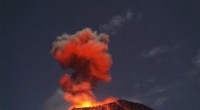
* Volcanic Eruptions: Produce lava flows, ash plumes, and gas emissions.
* Landform Creation: Volcanoes build up over time, creating mountains, plateaus, and islands.
* Soil Formation: Volcanic ash enriches soil fertility.
4. Glaciation:
* Driving force: Accumulation and flow of ice and snow.
* Consequences:
* Erosion: Glaciers carve valleys, polish rock surfaces, and transport sediment.
* Deposition: Glaciers deposit sediment, forming moraines, drumlins, and other glacial landforms.
* Climate Change: Glaciers act as indicators of climate change, advancing during colder periods and retreating during warmer periods.
5. Weathering:
* Driving force: Chemical and physical processes that break down rocks.
* Consequences:
* Physical Weathering: Breaking down rocks by mechanical forces like freezing/thawing or abrasion.
* Chemical Weathering: Dissolving rocks through reactions with water, acids, or oxygen.
* Soil Formation: Weathering creates soil by breaking down parent material.
6. Mass Wasting:
* Driving force: Gravity pulls down slopes, causing landslides, rockfalls, and soil creep.
* Consequences:
* Landform Modification: Mass wasting can reshape slopes and valleys.
* Hazard to Humans: Mass wasting events can pose significant risks to infrastructure and human life.
These geological processes constantly interact, shaping the Earth's surface in a dynamic and ongoing process. By understanding these forces, we gain valuable insights into the past, present, and future of our planet.