1. Tectonic Processes: These involve the movement and interaction of Earth's tectonic plates, driving processes like:
* Volcanism: The eruption of molten rock (magma) from Earth's interior.
* Earthquakes: Sudden releases of energy in Earth's crust, often along plate boundaries.
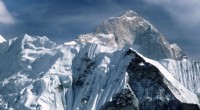
* Mountain Building (Orogenesis): The formation of mountain ranges through the collision of tectonic plates.
* Continental Drift: The slow, continuous movement of Earth's continents over millions of years.
2. Erosion Processes: These break down and transport Earth's surface materials through:
* Weathering: The physical and chemical breakdown of rocks, soil, and minerals.
* Erosion: The movement of weathered material by wind, water, ice, or gravity.
* Mass Wasting: The downward movement of rock, soil, and debris due to gravity (e.g., landslides, mudflows).
3. Sedimentary Processes: These involve the formation, transport, and deposition of sediments, leading to:
* Sedimentation: The accumulation of sediments in layers.
* Lithification: The process of converting loose sediments into solid rock through compaction and cementation.
* Formation of sedimentary rocks: Rocks formed from the accumulation and cementation of sediments.
It's important to note: These three categories are interconnected and often work together. For example, tectonic processes can create mountains, which then become subject to erosion, leading to the formation of sediments that eventually become sedimentary rocks.