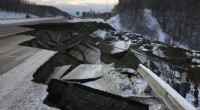
1. Fault Zones:
* Fault scarps: Faulting causes the Earth's crust to break and move, often tilting blocks of rock along the fault line. This creates visible scarps or cliffs.
* Fault blocks: Larger areas of land can be tilted and uplifted or depressed due to faulting, creating fault blocks.
2. Folding:
* Folds: Rocks can be bent and folded under pressure, resulting in tilted layers. This is common in areas of mountain building.
* Anticlines and synclines: Anticlines (upward arches) and synclines (downward troughs) can create tilted blocks of rock.
3. Volcanic Eruptions:
* Lava flows: Lava flows can solidify and tilt existing rock formations as they cool and harden.
* Volcanic domes: Volcanic domes can also form tilted blocks of rock as magma pushes up and cools.
4. Erosion:
* Differential erosion: Softer rocks erode faster than harder rocks, leading to tilted blocks where resistant layers remain.
* Glaciers: Glaciers can carve out valleys and leave behind tilted blocks of rock as they retreat.
5. Other:
* Impact craters: The shockwaves from a meteorite impact can tilt and shatter surrounding rock.
* Sedimentary deposition: Tilted layers of sediment can be deposited in areas where the land surface is sloping.
Common Locations:
You can find tilted blocks of rock in various locations, including:
* Mountain ranges: Mountains are often formed by faulting and folding, leading to tilted blocks.
* Valleys: Erosion can expose tilted blocks in valley walls.
* Coastal areas: Faulting and erosion along coastlines can create tilted blocks.
* Canyons: Canyons often expose tilted rock layers that have been carved by rivers.
Remember that the specific formation of tilted blocks can vary depending on the geological processes involved.