What They Do:
* Analyze Soil and Sediment: They study the composition, texture, and origin of soil and sediment samples collected from crime scenes, comparing them to samples taken from potential suspects' locations. This helps determine if a suspect was present at the crime scene.
* Identify Minerals and Rocks: They identify minerals and rocks found on clothing, vehicles, or at crime scenes. This can link a suspect to a specific location or help determine the source of evidence.
* Analyze Trace Evidence: They examine microscopic particles like sand, dust, or pollen to pinpoint the location of a crime or establish a link between a suspect and the scene.
* Investigate Natural Disasters: They investigate natural disasters like earthquakes, floods, and landslides to understand the cause and extent of damage. This can be crucial for insurance claims and reconstruction efforts.
* Reconstruct Crime Scenes: Using their knowledge of geology, they can help reconstruct crime scenes, determine the sequence of events, and provide insights into the actions of the perpetrators.
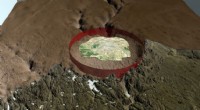
* Analyze Impact Craters: They can analyze impact craters to determine the size and trajectory of an object that caused the impact, which can be crucial in investigations involving meteorites or bombs.
* Identify Human Remains: They can use geological techniques to identify the location and age of human remains, which can help solve missing persons cases.
Expertise:
* Geology: They have a deep understanding of rocks, minerals, soils, and geological processes.
* Soil Science: They have expertise in soil composition, texture, and how it varies across different locations.
* Mineralogy: They can identify and analyze minerals found in soil and sediment.
* Petrology: They can analyze the composition and origin of rocks.
* Geochemistry: They can use chemical analysis to identify the composition of soil and sediment.
* Geographic Information Systems (GIS): They use GIS software to map locations and analyze spatial data.
Working Environment:
Forensic geologists can work for law enforcement agencies, government organizations, private companies, or universities. Their work can involve fieldwork at crime scenes, laboratory analysis, and reporting.
In short, forensic geologists are specialized detectives who use their knowledge of the Earth to solve crimes, identify perpetrators, and understand natural disasters.