1. Weathering of Feldspar:
- The primary source of kaolinite is the weathering of feldspar, a common mineral found in igneous and metamorphic rocks.
- This weathering happens mainly through hydrolysis, where water reacts with feldspar, breaking it down into kaolinite, silica, and other soluble components.
2. Chemical Alteration:
- Feldspar isn't the only source. Other minerals like mica can also be chemically altered to form kaolinite.
- This process often involves acidic conditions created by decaying organic matter or volcanic gases.
3. Environments of Formation:
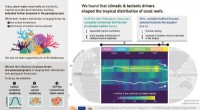
- Kaolinite commonly forms in warm, humid climates with abundant rainfall.
- These conditions accelerate the weathering process and enhance the formation of kaolinite.
- You'll find kaolinite deposits in:
- Tropical and subtropical regions: These areas experience intense weathering, leading to the formation of kaolinite-rich soils.
- Sedimentary basins: Kaolinite can accumulate in sedimentary basins, where it's transported by rivers and deposited as sediment.
- Hydrothermal systems: Hot water circulating in the earth can also form kaolinite deposits.
4. Recognizing Kaolinite:
- Kaolinite rocks typically have a white or light grey color.
- They are soft and powdery, with a low specific gravity.
- They have a smooth, clay-like texture.
5. Uses:
- Kaolinite's properties make it highly valuable for many applications, including:
- Ceramics: It is a key ingredient in pottery, tile, and other ceramics.
- Paper: It's used as a filler and coating agent to enhance paper quality.
- Paint: It provides a smooth, matte finish and adds durability to paints.
- Cosmetics: Its soft texture and absorbency make it ideal for use in face masks, lotions, and other personal care products.
- Medicine: It's used as a filler in tablets and capsules, and as an ingredient in some anti-diarrhea medications.
So, while it might seem like kaolinite rocks come from a specific place, they're actually formed through a dynamic process of weathering, chemical alteration, and deposition that happens in various geological environments.