The Process
1. Subduction: One tectonic plate (the denser oceanic plate) dives beneath another (the continental plate). As the oceanic plate descends, it gets hotter and experiences intense pressure.
2. Dehydration: The oceanic plate carries water (bound within minerals like hydrous silicates). As the plate sinks deeper, the intense heat and pressure cause the water to be released. This water acts as a flux, lowering the melting point of the surrounding mantle rocks.
3. Partial Melting: The water released from the subducting plate lowers the melting point of the surrounding mantle rocks. This causes the mantle rocks to partially melt, creating magma.
4. Buoyancy and Ascent: Magma is less dense than the surrounding solid rock. This difference in density creates buoyancy, causing the magma to rise upwards.
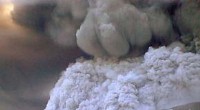
5. Volcanic Activity: The rising magma can either erupt at the surface, forming volcanoes, or solidify underground, creating intrusions.
Key Factors
* Water Content: The amount of water present in the subducting plate plays a major role in determining the extent of melting. More water leads to more melting.
* Plate Velocity: The speed at which the plates are moving can influence the rate of magma generation.
* Angle of Subduction: The angle at which the oceanic plate descends can influence the rate and location of magma generation.
Additional Points
* Types of Magma: The magma generated at subduction zones is typically andesitic or basaltic, depending on the depth of melting and the composition of the subducting plate.
* Volcanic Arcs: These processes often create chains of volcanoes, known as volcanic arcs, parallel to the subduction zone.
Let me know if you'd like me to elaborate on any of these points!