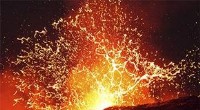
1. Igneous Rocks:
* Formation: Formed from the cooling and solidification of molten rock, called magma (underground) or lava (above ground).
* Types:
* Intrusive (plutonic): Cool slowly underground, resulting in large crystals (e.g., granite).
* Extrusive (volcanic): Cool quickly on the surface, resulting in small crystals or no visible crystals (e.g., basalt).
2. Sedimentary Rocks:
* Formation: Formed from the accumulation, compaction, and cementation of sediments (fragments of other rocks, minerals, or organic matter).
* Types:
* Clastic: Formed from fragments of other rocks (e.g., sandstone, shale).
* Chemical: Formed from the precipitation of minerals from a solution (e.g., rock salt, limestone).
* Organic: Formed from the accumulation and decomposition of organic matter (e.g., coal).
3. Metamorphic Rocks:
* Formation: Formed when existing rocks (igneous, sedimentary, or other metamorphic rocks) are transformed by intense heat and pressure.
* Types:
* Foliated: Minerals are aligned in layers due to pressure (e.g., slate, gneiss).
* Non-foliated: Minerals are not aligned in layers (e.g., marble, quartzite).
The Rock Cycle:
These three rock types are constantly being transformed into one another through a process called the rock cycle. Here's a simplified explanation:
* Igneous to Sedimentary: Igneous rocks can weather and erode, forming sediments that can be transported and deposited to form sedimentary rocks.
* Sedimentary to Metamorphic: Sedimentary rocks can be buried deep underground, exposed to heat and pressure, and transformed into metamorphic rocks.
* Metamorphic to Igneous: Metamorphic rocks can be melted by heat and pressure, forming magma that can cool and solidify into igneous rocks.
* Igneous to Metamorphic: Igneous rocks can also be transformed into metamorphic rocks by heat and pressure.
The rock cycle is a continuous process that illustrates the dynamic nature of Earth's geology.