1. Accumulation of Eruptions:
* Lava Flows: When volcanoes erupt, lava flows can spread over large areas, solidifying and building up layers of rock. Over time, these layers accumulate, creating elevated areas.
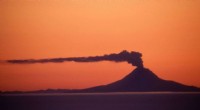
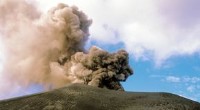
* Pyroclastic Deposits: Explosive eruptions can eject ash, pumice, and other volcanic debris. These materials can accumulate around the volcano, forming thick layers that eventually solidify.
2. Uplift and Deformation:
* Magma Chambers: The intrusion of magma beneath the surface can cause the surrounding rocks to uplift and deform, creating hills and mountains.
* Tectonic Forces: Volcanic activity often occurs along plate boundaries where tectonic forces can cause the Earth's crust to buckle and uplift, further enhancing the elevation of volcanic formations.
3. Erosion and Weathering:
* Erosion: While volcanic rocks are relatively hard, they can be eroded by wind, water, and ice over time. However, volcanic rocks tend to be more resistant to erosion than surrounding sedimentary rocks, leading to the formation of elevated features.
* Weathering: Chemical weathering can break down volcanic rocks, but the process is often slower than erosion, leaving behind relatively resistant features.
4. Differences in Rock Type:
* Lava Flows vs. Surrounding Rocks: Lava flows often solidify into harder and more resistant rocks than the surrounding sedimentary rocks. This difference in resistance leads to the formation of higher elevations.
* Composition of Lava: Different types of lava have varying degrees of viscosity and resistance to erosion. For instance, rhyolitic lava, which is highly viscous, can form steep-sided mountains, while basaltic lava, which is more fluid, can create broader, gentler slopes.
Overall:
The combination of these factors contributes to the formation of volcanic hills, ridges, and mountains. The accumulation of volcanic material, tectonic forces, and the greater resistance of volcanic rocks to erosion all play significant roles in creating these prominent landforms.