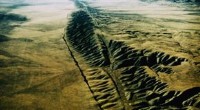
Erosion is the process of wearing away and transporting Earth's surface materials, like rocks, soil, and sediment. It's driven by natural forces such as:
* Water: Rain, rivers, oceans, and glaciers carve out landscapes, carrying away sediment.
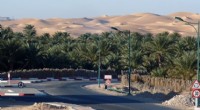
* Wind: Wind picks up and carries fine particles, sculpting rock formations and creating sand dunes.
* Ice: Glaciers act like giant bulldozers, scraping and grinding away rock and soil.
* Gravity: Gravity pulls rock and soil downhill, causing landslides and rockfalls.
Impact on the Lithosphere:
* Changes in Landforms: Erosion creates valleys, canyons, and other geological features. It also shapes mountains, coastlines, and riverbeds.
* Soil Formation and Degradation: Erosion can contribute to soil formation by breaking down rocks and creating fertile soil. However, excessive erosion can deplete topsoil and lead to desertification.
* Rock Cycles: Erosion plays a vital role in the rock cycle, breaking down rocks and transporting them to other locations where they may be transformed into new rock types.
Impact on the Biosphere:
* Habitat Loss and Fragmentation: Erosion can displace wildlife, fragment habitats, and disrupt ecosystems. It can also pollute water sources with sediment, harming aquatic life.
* Nutrient Loss: Erosion removes nutrients from the soil, impacting plant growth and agricultural productivity.
* Species Extinction: Erosion can lead to the loss of habitats and contribute to the decline of endangered species.
* Human Health: Erosion can contaminate water sources, leading to health problems and disease.
Examples:
* The Grand Canyon: The Colorado River has eroded the rock over millions of years, creating this iconic geological wonder.
* Desertification: Excessive grazing and deforestation can lead to soil erosion, contributing to desertification and loss of fertile land.
* Coastal Erosion: Rising sea levels and storm surges can cause significant erosion along coastlines, threatening infrastructure and human settlements.
Controlling Erosion:
* Planting Trees: Trees help bind soil and prevent erosion.
* Terracing: Creating terraces on hillsides slows down the flow of water and reduces erosion.
* Cover Crops: Planting cover crops between harvests can protect soil from erosion.
* Conservation Agriculture: Practices like no-till farming reduce soil disturbance and minimize erosion.
Erosion is a powerful force that continuously shapes the Earth. While it plays a vital role in creating landscapes and driving the rock cycle, it can also have negative impacts on the environment and human well-being. Understanding and managing erosion is crucial for protecting ecosystems and ensuring sustainable land use.