1. Igneous Rocks:
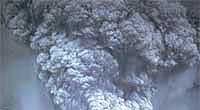
* Origin: Form directly from the cooling and solidification of magma (molten rock) or lava (magma that erupts onto the Earth's surface).
* Connection to other rocks:
* Sedimentary: Igneous rocks can be weathered and eroded, forming sediments that eventually lithify into sedimentary rocks.
* Metamorphic: When igneous rocks are subjected to intense heat and pressure (often deep within the Earth's crust), they can transform into metamorphic rocks.
2. Sedimentary Rocks:
* Origin: Formed from the accumulation, compaction, and cementation of sediments derived from the weathering and erosion of pre-existing rocks (igneous, sedimentary, or metamorphic).
* Connection to other rocks:
* Igneous: They can be melted back into magma and then solidify into igneous rocks.
* Metamorphic: When sedimentary rocks are exposed to heat and pressure, they can transform into metamorphic rocks.
3. Metamorphic Rocks:
* Origin: Formed when existing igneous, sedimentary, or even other metamorphic rocks are subjected to intense heat and pressure, causing them to recrystallize and change their texture and mineral composition.
* Connection to other rocks:
* Igneous: If metamorphic rocks melt, they can become magma and solidify into igneous rocks.
* Sedimentary: Metamorphic rocks can be weathered and eroded to form sediments that eventually lithify into sedimentary rocks.
Key Points about the Rock Cycle:
* Continuous Cycle: The rock cycle is an ongoing process with no beginning or end. Rocks are constantly being transformed from one type to another.
* Driving Forces: The processes that drive the rock cycle include:
* Weathering and Erosion: Break down existing rocks into sediments.
* Transportation: Movement of sediments by wind, water, or ice.
* Deposition: Accumulation of sediments in a new location.
* Compaction and Cementation: Transformation of sediments into sedimentary rock.
* Heat and Pressure: Transformation of rocks into metamorphic rocks or melting them into magma.
* Magmatic Activity: Solidification of magma into igneous rocks.
In summary, the rock cycle illustrates the interconnectivity of the three rock types, highlighting how they are constantly being transformed into one another through various geological processes.