Here's why:
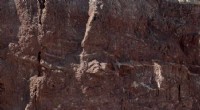
* Formation: Dikes form when magma or lava forces its way through existing rock formations. The magma cools and solidifies within the fractures, creating the dike.
* Cross-cutting Relationships: The principle of cross-cutting relationships states that a geologic feature that cuts across another feature is younger.
* Evidence: You can often see evidence of the dike's intrusion, like baked or altered zones in the surrounding rocks.
In summary: If you find a dike within a rock outcrop, it's a sure sign that the dike formed after the rocks it cuts through were already in place.