* Rocks and minerals: Their formation, composition, and distribution.
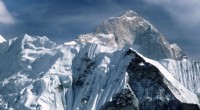
* Landforms: Mountains, valleys, rivers, oceans, and other features of the earth's surface.
* Earth's processes: Plate tectonics, volcanic activity, erosion, and sedimentation.
* Earth's history: Studying past climates, life forms, and geological events through the rock record.
Essentially, anything that involves the solid, non-living parts of the earth falls under the umbrella of geology.
Here are some examples of things that are "geological":
* A rock formation: The Grand Canyon, a volcano, or a fossil.
* A geological map: A map that shows the different types of rocks and geological features in an area.
* A geological study: Research on the movement of tectonic plates or the formation of a particular mineral.
* A geological hazard: An earthquake, landslide, or volcanic eruption.