Environmental Impacts:
* Landslide and Erosion: Removing large amounts of rock weakens the mountain's structure, making it susceptible to landslides and erosion. This disrupts the natural landscape, alters drainage patterns, and can lead to soil loss and sedimentation in nearby waterways.
* Habitat Loss and Fragmentation: Quarrying destroys natural habitats, forcing out wildlife and disrupting ecosystems. This can lead to species decline, loss of biodiversity, and disruption of food chains.
* Pollution: Quarrying activities often generate dust, noise, and chemical runoff, polluting air, water, and soil. This can have detrimental effects on human health and the surrounding environment.
* Groundwater Contamination: Quarrying can disrupt underground water sources, potentially contaminating them with runoff or leading to water depletion. This can affect local communities reliant on these water resources.
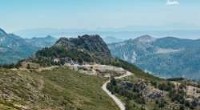
* Visual Impact: Large-scale quarries drastically alter the landscape, creating scars on the mountainside and impacting the scenic beauty of the area.
Social and Economic Impacts:
* Displacement of Communities: Quarrying activities can displace local communities, affecting their livelihoods and cultural heritage.
* Health Issues: Dust and noise pollution from quarries can cause respiratory problems, hearing loss, and other health issues for nearby residents.
* Economic Dependence: Over-reliance on quarrying can lead to economic instability, especially if resource depletion occurs.
* Loss of Tourism Potential: The visual impact of quarries can deter tourism, impacting local economies reliant on tourism revenue.
Long-term Impacts:
* Permanent Damage: The effects of excessive quarrying can be long-lasting and irreversible, leading to permanent ecological and visual damage to the mountain.
* Climate Change: Quarrying can contribute to climate change by releasing greenhouse gases during extraction and processing.
* Increased Risk of Natural Disasters: The weakened mountain slopes due to quarrying can increase the risk of landslides, floods, and other natural disasters.
Mitigating the Effects:
* Sustainable Quarrying Practices: Employing responsible quarrying techniques, such as minimizing waste, restoring land, and limiting the scale of operations, can help mitigate the negative impacts.
* Environmental Regulations: Strong environmental regulations and enforcement are essential to prevent excessive quarrying and protect the environment.
* Alternative Materials: Utilizing alternative construction materials and promoting sustainable building practices can reduce the demand for quarried stone.
* Community Engagement: Involving local communities in decision-making regarding quarrying projects is crucial for ensuring their well-being and mitigating potential conflicts.
In conclusion, excessive quarrying poses significant environmental, social, and economic threats to mountains. Implementing responsible quarrying practices and prioritizing environmental protection are crucial for ensuring the long-term sustainability of these valuable natural resources.