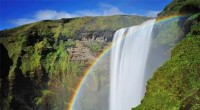
1. Resistant Rock: Canyons are carved out by erosion, and resistant rock types like granite, sandstone, and limestone are more likely to stand up to the forces of water and wind. This creates the steep walls and deep gorges characteristic of canyons.
2. Significant Elevation Change: Canyons often form in regions with a steep drop in elevation. This allows water to flow rapidly and carve out the land, particularly if the water is carrying sediment.
3. Water or Wind Erosion: Canyons are primarily formed by water erosion, either from rivers or glaciers. However, wind erosion can also play a significant role in shaping canyons, especially in arid regions.
Specific Locations:
* Rivers: Canyons carved by rivers are the most common. Examples include the Grand Canyon (carved by the Colorado River), the Snake River Canyon, and the Yarlung Tsangpo Grand Canyon.
* Glaciers: Glaciers carve out U-shaped valleys that can become canyons. Examples include the Yosemite Valley and Glacier National Park.
* Coastal Areas: Canyons can also form along coastlines, particularly where the land is being uplifted or where there are differences in rock hardness.
* Deserts: Wind erosion can create canyons in arid regions. Examples include canyons in the American Southwest, the Sahara Desert, and the Atacama Desert.
Other Factors:
* Tectonic Activity: Earthquakes and other tectonic movements can create faults and weaknesses in rock formations, making them more vulnerable to erosion and canyon formation.
* Climate: Arid climates with little vegetation can promote erosion, while wet climates with heavy rainfall can contribute to river erosion.
* Time: Canyon formation is a slow process that takes millions of years.
In summary, canyons form in areas with resistant rock, significant elevation change, and either water or wind erosion, often facilitated by tectonic activity and influenced by climate and time.