Negative Impacts:
* Land Degradation: Erosion removes topsoil, which is vital for plant growth. This leads to reduced agricultural productivity, desertification, and loss of biodiversity.
* Water Pollution: Eroded soil and sediment can contaminate water sources, harming aquatic life and making water unsafe for drinking.
* Infrastructure Damage: Erosion can undermine foundations of buildings, roads, and other infrastructure, leading to costly repairs and even collapses.
* Coastal Erosion: The loss of beaches and coastlines due to erosion threatens coastal communities, infrastructure, and ecosystems.
* Sedimentation: Eroded sediment can accumulate in reservoirs, rivers, and harbors, hindering navigation, reducing water storage capacity, and damaging aquatic habitats.
Positive Impacts (Limited):
* Soil Formation: While erosion can be destructive, it also plays a role in the long-term formation of new soils from weathered rock.
* Land Shaping: Erosion contributes to the shaping of landscapes, creating features such as canyons, river valleys, and beaches.
* Nutrient Transport: Erosion can transport nutrients from one place to another, potentially enriching soil fertility in certain areas.
Factors Affecting Erosion:
* Climate: Precipitation, wind speed, and temperature all influence erosion rates.
* Geology: The type of rock and soil present determines its susceptibility to erosion.
* Land Use: Agricultural practices, deforestation, and urbanization can accelerate erosion.
* Vegetation: Plant cover helps protect soil from erosion, while its absence increases susceptibility.
Mitigation and Management:
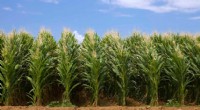
* Conservation Agriculture: Practices like no-till farming, crop rotation, and cover cropping help reduce soil erosion.
* Reforestation: Planting trees can stabilize soil and prevent erosion.
* Water Management: Flood control measures and sustainable water use practices can minimize erosion.
* Infrastructure Protection: Construction of retaining walls, seawalls, and other protective structures can safeguard against erosion.
Overall, erosion is a natural process that can have both beneficial and detrimental consequences. Understanding its causes and impacts is crucial for managing land resources effectively and mitigating its negative effects.