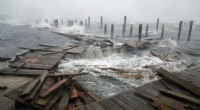
* Scale: Some erosion happens on a microscopic level, while others are dramatic and visible across landscapes.
* Material: Erosion of soft rock like sandstone can be rapid and noticeable, while harder rock like granite erodes more slowly and subtly.
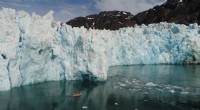
* Timeframe: The speed at which erosion occurs varies. Some types, like glacial erosion, can be dramatic and quick, while others, like chemical weathering, are slow and less obvious.
Here are some examples of erosion that are often less noticeable:
* Chemical weathering: This type of erosion breaks down rocks through chemical reactions. It can happen slowly over time, leaving little visible evidence in the short term.
* Biological weathering: Plants and animals can contribute to erosion through root growth, burrowing, and even the acidic substances they produce. These effects can be gradual and less obvious.
* Sheet erosion: This type of erosion happens when a thin layer of soil is gradually removed by rainfall or runoff. It may not be immediately apparent but can have serious consequences over time, leading to reduced soil fertility and increased vulnerability to other types of erosion.
It's important to note that even seemingly insignificant erosion can have long-term consequences. Even if erosion isn't dramatically visible, it can still impact ecosystems, water quality, and infrastructure.
Therefore, it's crucial to consider erosion as a complex and dynamic process, even if it's not always immediately apparent.