Geological Features:
* Hydrothermal vents: These are openings in the seafloor that release superheated water rich in minerals. They are often surrounded by unique ecosystems and are a key source of energy for life in the deep sea.
* Black smokers: These are particularly dramatic hydrothermal vents that release dark, mineral-rich fluids that solidify into chimney-like structures.
* Volcanic activity: The mid-ocean ridge is a site of active volcanism, with evidence of lava flows, pillow lavas, and volcanic cones.
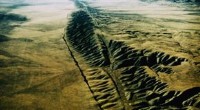
* Fault lines and rift valleys: The ridge is marked by deep valleys and fault lines where tectonic plates are pulling apart.
* Pillow lavas: These are distinctive, rounded lava formations that solidify in water.
Biological Life:
* Unique species: The extreme conditions around hydrothermal vents support a wide range of specialized life, including tubeworms, clams, crabs, and fish that have adapted to survive in the hot, chemically-rich environment.
* Chemosynthetic organisms: These organisms obtain energy not from sunlight but from chemicals like sulfur compounds released from hydrothermal vents.
* Bioluminescent creatures: The deep ocean environment is dark, and many organisms use bioluminescence for communication, prey attraction, and defense.
Other Observations:
* The incredible pressure: The deep ocean environment is under immense pressure, and submersibles are designed to withstand it.
* The darkness: No sunlight reaches the depths of the mid-ocean ridge, making it a truly alien environment.
* The vastness: The mid-ocean ridge is the longest mountain range on Earth, stretching for over 40,000 miles.
Overall, scientists in submersibles have witnessed a world of geological wonder and biological diversity at the mid-ocean ridge. It is a testament to the resilience and adaptability of life, and continues to be an exciting frontier for scientific exploration.