Natural Hazards:
* Avalanches: Rapid flows of snow and ice, often triggered by skiers, hikers, or natural events.
* Rockfall: Rocks falling from cliffs or steep slopes, caused by erosion, freeze-thaw cycles, or earthquakes.
* Landslides: Large masses of soil and rock sliding down slopes, often triggered by heavy rainfall or seismic activity.
* Flooding: Rapidly rising water levels in rivers and streams, caused by heavy rain, snowmelt, or dam failures.
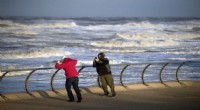
* Weather: Rapidly changing weather conditions, including storms, high winds, lightning, heavy snowfall, and extreme temperatures.
* Altitude Sickness: A condition caused by the body's response to low oxygen levels at high altitudes.
* Wildlife: Encounters with dangerous animals such as bears, mountain lions, and venomous snakes.
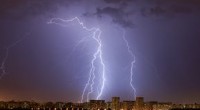
* Lightning: Lightning strikes are a common hazard in mountainous regions.
* Hypothermia: Dangerously low body temperature caused by exposure to cold temperatures.
* Dehydration: Lack of water due to intense physical activity and dry climate.
* Sunburn: Unprotected skin exposed to intense UV radiation at high altitudes.
* Gases: Accumulation of poisonous gases like carbon monoxide in caves and mines.
* Glacial Hazards: Crevasses, icefalls, and seracs, which can cause falls or injuries.
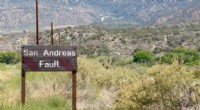
* Earthquakes: Earthquakes can trigger landslides, avalanches, and rockfalls.
* Volcanic Activity: Active volcanoes pose a threat to surrounding areas with lava flows, ash clouds, and gas emissions.
Human-Made Hazards:
* Trail Hazards: Loose rocks, steep drops, narrow trails, and poorly maintained paths.
* Overcrowding: Congestion on trails and at popular destinations can increase the risk of accidents.
* Improper Equipment: Lack of or poorly maintained gear can lead to falls, injuries, and exposure.
* Inadequate Planning: Insufficient food, water, or shelter can result in distress or even death.
* Lack of Experience: Inexperienced hikers are more likely to make mistakes that lead to accidents.
* Alcohol and Drug Use: Impaired judgment and coordination increase the risk of accidents.
General Considerations:
* Accessibility: Remote locations may have limited access to emergency services.
* Weather Patterns: The weather can change rapidly in mountainous areas.
* Terrain: Mountainous terrain can be challenging and unforgiving.
* Emergency Preparedness: It's important to be prepared for emergencies by having a plan, appropriate gear, and knowledge of first aid.
Remember to always be aware of the risks involved in mountain activities and take steps to minimize them. Proper planning, preparation, and respect for the environment can help you have a safe and enjoyable experience.