Geological Processes:
* Tectonic Plate Movement: The movement of Earth's tectonic plates is responsible for many major landforms, including mountains, volcanoes, earthquakes, and trenches.
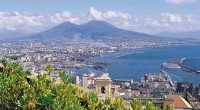
* Volcanism: Volcanic eruptions create mountains, plateaus, and islands. They also deposit volcanic ash and lava, which can create fertile soil.
* Earthquakes: Earthquakes can cause landslides, tsunamis, and changes in the Earth's surface.
* Folding and Faulting: The pressure from tectonic plates can cause rocks to fold and fracture, creating mountains, valleys, and other landforms.
* Igneous Intrusions: The movement of magma beneath the Earth's surface can create intrusions, such as dikes and sills, which can alter the landscape.
* Metamorphism: The heat and pressure associated with tectonic plate movement can transform existing rocks into new metamorphic rocks.
Other Processes:
* Glaciation: The movement of glaciers can carve out valleys, create U-shaped valleys, and deposit glacial till.
* Fluvial Processes: Rivers and streams can erode, transport, and deposit sediment, creating canyons, deltas, and floodplains.
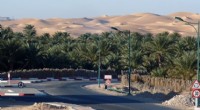
* Aeolian Processes: The wind can erode, transport, and deposit sediment, creating dunes, loess deposits, and other landforms.
* Biological Processes: Organisms can contribute to the formation of landforms through processes like coral reef growth, the accumulation of organic matter in peat bogs, and the weathering of rock by burrowing animals.
* Human Activities: Human activities such as mining, construction, and agriculture can significantly impact Earth's features.
These are just some of the major forces that shape Earth's features. The interplay of these processes over millions of years has resulted in the diverse and dynamic landscape we see today.