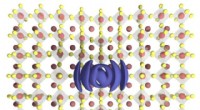
1. Porosity: This refers to the empty spaces within the rock. Oil and gas need room to flow and reside, and porous rocks have these spaces. Think of a sponge – it has lots of pores where water can be absorbed.
2. Permeability: This refers to the interconnectedness of the pores. For oil and gas to flow through the rock, the pores need to be connected so that the fluids can move from one pore to another. Imagine a bunch of marbles in a container – they have spaces, but they aren't connected, so water can't flow through them.
3. Source Rock: This is the rock where the organic matter that eventually forms oil and gas originates. Typically, source rocks are made of fine-grained sediments like shale and contain lots of organic material like dead plankton.
4. Reservoir Rock: This is the rock that holds the accumulated oil and gas. It needs to have high porosity and permeability to store the hydrocarbons. Sandstone and carbonate rocks are often excellent reservoir rocks.
5. Trap: This is a geological feature that prevents oil and gas from escaping the reservoir. Traps can be created by folds, faults, or changes in rock types, effectively creating a "cap" over the reservoir.
Here's a simplified example:
1. Source Rock: Dead organisms sink to the bottom of the ocean and are buried by sediment.
2. Over time: Heat and pressure transform the organic matter into oil and gas.
3. Migration: The oil and gas migrate upwards through the rock layers.
4. Reservoir Rock: The oil and gas encounter a porous and permeable rock layer like sandstone.
5. Trap: The oil and gas are trapped beneath an impermeable layer of rock, like shale, preventing them from escaping.
So, in essence, sedimentary rocks act like giant underground storage tanks for oil and gas. They have the right combination of porosity, permeability, source rock, reservoir rock, and traps to allow the formation and accumulation of these valuable resources.