Here's why:
* Subduction: At subduction zones, one tectonic plate dives beneath another. The descending plate carries sediments and oceanic crust, which are rich in water.
* Melting: As the descending plate sinks deeper, the intense heat and pressure cause the rock to melt. The water content lowers the melting point of the surrounding mantle rock, making it easier to melt.
* Magma Formation: The melted rock, now magma, is less dense than the surrounding mantle, so it rises towards the surface.
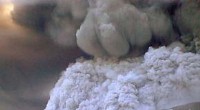
* Volcanoes: When the magma reaches the surface, it erupts as volcanoes, forming mountains.
* Igneous Rock: The lava that flows from these volcanoes cools and solidifies, creating igneous rock, which forms the bulk of the mountains.
While some mountains at subduction zones may have sedimentary or metamorphic rocks exposed, the core of the mountains is predominantly made up of igneous rock formed through this process.