1. Elevation and Topography: This describes the overall shape of the land. Is it flat, hilly, mountainous? Are there plateaus, valleys, canyons, or other significant features? This greatly influences the climate, vegetation, and potential human use of the area.
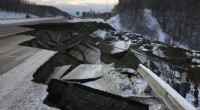
2. Geological Composition: The types of rock, soil, and minerals that make up the terrain. This influences the terrain's formation, its ability to support life, and its suitability for different economic activities. For example, areas with sedimentary rock might have fertile farmland, while areas with igneous rock might have valuable mineral deposits.
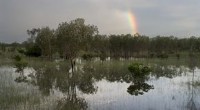
3. Water Features: The presence or absence of water plays a significant role in defining a terrain. This includes rivers, lakes, oceans, wetlands, and even the presence or lack of groundwater. Water influences the climate, supports ecosystems, and impacts transportation and resource availability.
These are just a few of the many factors that contribute to the unique characteristics of any given terrain.